
Types of ABA Therapy: A Parent’s Guide to Teaching Approaches
Key points
- ABA is one science with many teaching styles. Most programs mix a few styles rather than using only one.
- Settings differ too: home, daycare, or early intervention. Your child’s age, goals, and comfort should guide the mix.
- Ask your team why each method fits your child, and how they will know it is working.
You search for types of ABA therapy and find a pile of acronyms: DTT, NET, PRT, EIBI. It is easy to feel lost. Here is the good news. These are not rival brands you must pick between. They are tools inside one science. Do not worry. Every parent starts here.
ABA stands for applied behavior analysis. Many children get a mix of methods. A good team picks tools to match your child’s age, goals, and learning style. This guide explains the common methods in plain words, then shows how settings like home or daycare change the mix.
Take quick notes as you read, and bring your questions to your first ABA assessment. You do not need to memorize any of this. You only need to know what to ask. Ask about one method at a time, and let the team show you what it looks like in a real session. If a word is unfamiliar, our ABA terms glossary puts it in plain language.
Different Types of ABA Therapy: The Big Picture
Think of ABA as a toolbox. Each tool teaches in a different style, and a skilled team uses several. Different types of ABA therapy can look very different from the outside. One session may feel like a puzzle game at a table. Another may feel like a snack-time chat on the floor.
| Method | How it works | Often used for |
| Discrete trial training (DTT) | Short, structured teaching turns with a clear request, help if needed, and a reward | New skills like matching, naming, or following directions |
| Natural environment teaching (NET) | Teaching inside play and daily routines, using your child’s interests | Language, play, and everyday skills |
| Pivotal response treatment (PRT) | Play-based teaching that targets motivation and self-starting | Communication and social skills |
| Early intensive behavioral intervention (EIBI) | Many hours a week of one-to-one teaching for young children | Early learners with broad goals |
| Verbal behavior (VB) | Teaches language by its purpose, like asking or naming | Requesting, labeling, and conversation |
| Parent-implemented ABA | Parents learn to use strategies during daily routines | Carryover between sessions |
A national review from the National Clearinghouse on Autism Evidence and Practice identified 28 practices with strong evidence for autistic children and youth, including discrete trial training and naturalistic intervention. Not every child needs every one. Ask which of the ABA services fit your child, and learn how the team approaches each family.
Which Method Is Best?
No method wins for every child. Structured teaching can be fast for new skills but may feel repetitive. Naturalistic teaching feels like play but needs skilled timing. Many teams use both. The best plan follows your child’s responses.
Types of ABA Therapy by Teaching Style
Structured Teaching
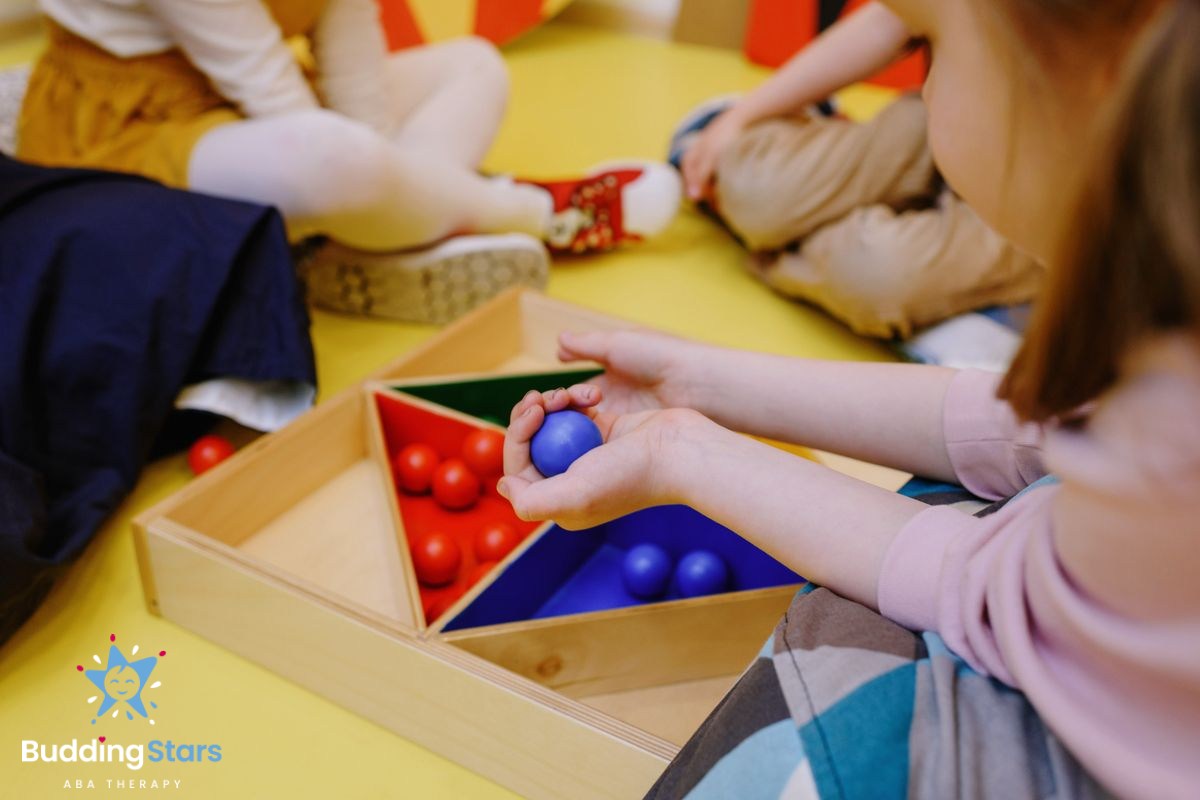
Structured teaching, like DTT, works well for new or hard skills. The therapist gives a clear cue, waits, helps if needed, and rewards the response. Short turns and quick breaks keep it light.
What it often looks like:
- A clear cue like “touch red”
- A short wait for your child to respond
- Help if needed, then less help
- A quick reward
Structured teaching is not cold when done well. Warm voices, short turns, and favorite rewards keep it friendly.
Naturalistic Teaching
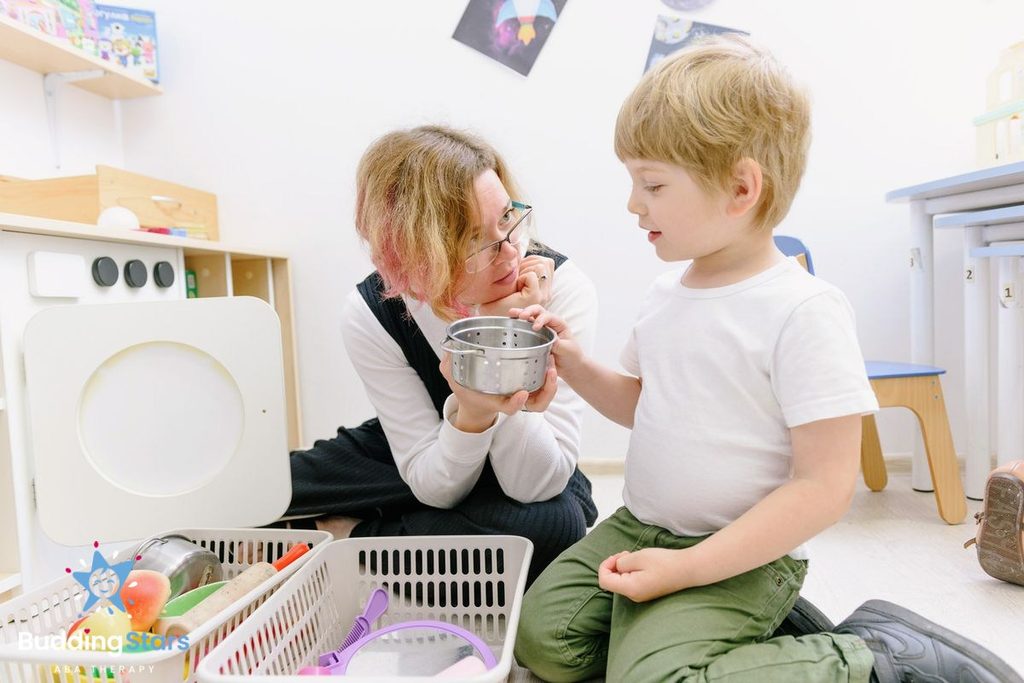
Naturalistic methods teach inside play and routines. The therapist follows your child’s interests and builds skills from there. Researchers call the blended approach naturalistic developmental behavioral interventions: they happen in everyday settings, share control between child and therapist, and use natural consequences to teach skills. The NCAEP review places pivotal response treatment and milieu training under this heading.
Picture a therapist holding a toy truck just out of reach, then waiting. Your child points or says “truck.” Then the truck rolls. The request came from your child’s own wish, which makes the lesson stick. Therapists also watch closely for signs your child wants a break.
ABA Teaching Methods: How Teams Mix Them
Most teams blend methods. A child may practice a new word at a table, then use it at snack time. Mixing helps skills move from a practice spot to real life, which ABA calls generalization.
Applied Behavior Analysis Approaches for Behavior Support
Other approaches focus on behavior. A functional behavior assessment finds the reason behind a behavior, then a plan teaches a better way to get the same need met. Young children may start with early intervention programs, and caregivers learn alongside them through parent training.
Not sure which approach fits your child? Talk with our intake team at 240-671-0240, check your insurance coverage, or request a free consultation.
Types of ABA Therapy Programs by Setting and Age
Programs also differ by where they happen and who they serve:
- In-home ABA: sessions in your home, with caregivers watching and practicing
- Daycare-based ABA: support during daycare routines like transitions and play
- Early intervention ABA: programs for young children, focused on early language, play, and joint attention
- Parent training: guided coaching so you can use strategies between sessions
- Diagnostic evaluation support: help coordinating referrals and next steps
We offer in-home care as our main model and also provide daycare-based ABA. Starting with in-home sessions can help skills show up where life happens. These settings share the same science, so you can switch as your child grows.
Comparing settings? See daycare-based vs. in-home ABA. We serve families across Maryland, including Baltimore, Silver Spring, Gaithersburg, and Rockville, and across Virginia, including Fairfax, Alexandria, Arlington, and Richmond.
Why Setting Matters
A skill taught only at a table may stay at the table. Teaching at home, at daycare, and in the community helps skills travel. We design each session around real-life generalization, so skills follow your child to the playground and the grocery store.
How to Choose Among ABA Treatment Approaches

No single method is best for every child. The approach should match your child’s age, goals, and comfort. Use these steps:
- Start with an assessment of your child’s skills and needs
- Ask why each method fits your child
- Ask how progress will be measured
- Watch how your child feels during sessions
- Check that parent training is included
Green Flags and Red Flags
Green flags include clear goals, regular updates, parent training, and respect for your child’s comfort. Red flags include one method for every child, no data, no parent coaching, and pressure to ignore your child’s distress. Trust your instincts and ask questions. Ask to watch a full session before you decide.
Questions to Ask Any Provider
Ask which methods the team will use first, how they will mix them, and how they will change the plan if your child is not progressing. Good teams answer in plain words and give examples. Families in Maryland and Virginia can ask how each approach fits their child’s routine. Our guide to choosing an ABA provider in Maryland or Virginia can help.
Research is still growing on which methods work best for which children, so careful tracking matters. Knowing the main types helps you ask sharper questions and spot a plan that fits. For the basics behind all of these methods, start with how ABA therapy works. Many teams also begin with trust-building play before any structured teaching, which we explain in our guide to ABA therapy pairing.
Frequently Asked Questions
What are the different types of ABA therapy for toddlers?
Toddlers often start with play-based, naturalistic teaching plus short structured turns. The mix depends on your child’s skills, interests, and comfort. Parents are usually coached to use the same strategies at home.
Which ABA therapy types use play?
Naturalistic teaching and pivotal response treatment both teach within play and routines. Therapists follow your child’s interests, create chances to communicate, and reward efforts. Many teams also add short structured turns for harder skills.
Which types of ABA therapy programs work at home?
In-home programs can use any method, from structured turns to play-based teaching. Parent training is a core part. Your team builds sessions around your routines, so skills show up at meals, bedtime, and play.
Are ABA teaching methods used at daycare?
Yes. Daycare-based programs use the same ideas during transitions, play, and group routines. The team works inside the setting your child already knows, so skills carry over to real-life moments.
How do I compare applied behavior analysis approaches?
Ask each team which methods they use, why they fit your child, and how they track progress. Compare how they involve parents and respect your child’s comfort. Then choose the team you trust.
Find the Right Fit for Your Little Star
Two children can both receive ABA and look nothing alike. One learns by blowing bubbles at home. Another practices routines at daycare. Both families started by understanding the types of ABA therapy. Neither choice is wrong. Each fits a child.
We offer in-home, daycare-based, and early intervention ABA, and we build each plan around the mix of methods your child needs, not a single method for every child. Our BCBAs design the plan, our RBTs deliver sessions under supervision, and parent training supports every setting. Our early intervention program serves infants, toddlers, and preschoolers, and our intake team helps with insurance.
Want help matching the right methods to your child? Call us at 240-671-0240, check your insurance coverage, or reach out to us and share what your child loves and what worries you. Our intake team will listen and suggest next steps.